EV CHARGING STATION REPAIR IN LONGVIEW, TEXAS
Is your electric vehicle charging unit failing to power on, refusing to latch, or throwing red fault lights? Our master electricians provide expert electrical diagnostics and station component repairs in Longview, TX.
WHAT IS EV CHARGING STATION REPAIR?
EV Charging Station Repair is a complete diagnostic and corrective electrical service designed to restore non-functional or hazardous charging stations. Electric vehicle supply equipment (EVSE) handles high continuous current (ranging from 16A to 48A at 240V). Over time, thermal expansion, mechanical wear, line surge spikes, and outdoor weather exposure cause internal relay degradation, loose wiring terminals, or cable failure.
Our service isolates whether the fault originates within the home or commercial electrical panel, the dedicated 240V circuit line, the wall unit electronics, or the vehicle interface connector.
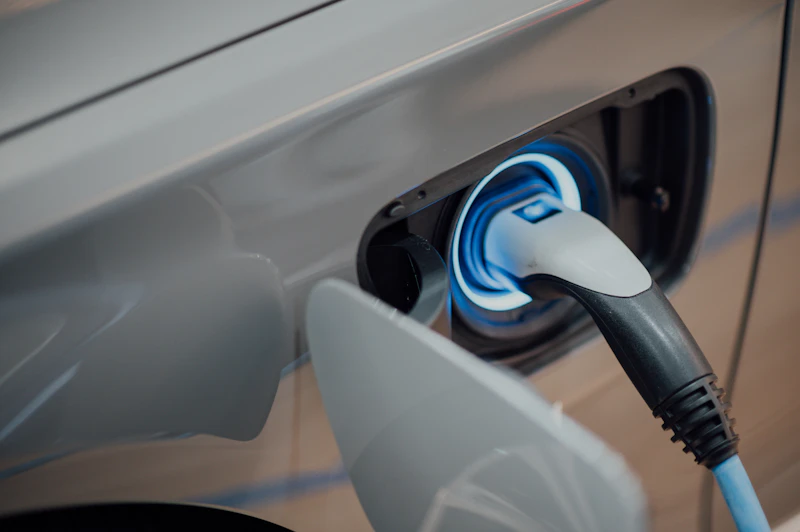
WHAT DOES OUR EV CHARGING STATION REPAIR INCLUDE?
We do not just glance at your charger. Every repair call includes a comprehensive 9-point physical and electrical inspection:
VOLTAGE & CURRENT TESTING
Measuring live L1/L2 phase voltages, neutral balance, and earth ground resistance under load.
CONTACTOR & RELAY INSPECTION
Testing internal high-power contactors for pitted contacts, coil burnout, or mechanical sticking.
TERMINAL TORQUE CHECK
Inspecting junction blocks for loose screws, thermal discoloration, or melted wire insulation.
CABLE CONTINUITY TEST
Checking pilot signal (CP) and proximity sense (PP) lines inside the charging cable for intermittent breaks.
CONNECTOR HANDLE REPAIR
Replacing broken latch mechanisms, worn microswitches, or pitted copper pin contacts.
GFCI FAULT RESET
Testing ground fault interrupter sensing coils and recalibrating sensitive trip thresholds.
CHARGING EQUIPMENT TYPES WE SERVICE
SIGNS YOUR EV CHARGING STATION NEEDS REPAIR
RED LIGHT FAULT CODES
The status LED ring on the wall box stays solid red or flashes a repeating error sequence.
CHARGING INTERRUPTIONS
The vehicle begins charging but disconnects after 5 to 20 minutes with a 'Charging Stopped' alert.
OVERHEATING CABLE OR PLUG
The charging cord or wall plug feels hot to the touch or smells of warm plastic during use.
TRIPPED MAIN BREAKER
Plugging in the charger immediately trips the dedicated double-pole breaker in your electrical panel.
BROKEN PLUG LATCH
The mechanical release latch on the J1772 handle is snapped, preventing the charger from locking into the car.
NO POWER LIGHTS
The station unit is completely dead with zero LED lights, despite breaker power being turned on.
COMMON CAUSES OF CHARGING STATION FAILURE
- Thermal Fatigue: High 48A continuous amperage expands and contracts terminal screws, loosening connections over time.
- Line Voltage Spikes: Summer lightning storms or grid switching surges damaging internal control boards.
- Moisture Ingress: Failed rubber gaskets allowing rain condensation into outdoor junction enclosures.
- Worn Connector Contacts: Oxidation on copper pins creating high resistance and voltage drop.
HOW OUR DIAGNOSIS WORKS
- Customer Consultation: Review reported error codes and vehicle alerts.
- Visual & Thermal Check: Inspect for physical damage, corrosion, or thermal scorch marks.
- Panel Voltage Verification: Measure line voltage under 240V load.
- Signal Line Testing: Verify Control Pilot (CP) PWM signal generator output.
- Written Scope & Quote: Present exact repair options before work begins.
REPAIR VS REPLACEMENT DECISION GUIDE FOR CHARGING STATIONS
Not every broken EV charger requires buying a brand-new $600 unit. Here is how our master electricians evaluate whether repair or replacement is right for your station:
WHEN REPAIR IS RECOMMENDED
- Damaged or worn charging cable/handle assembly.
- Loose or corroded terminal connections in the junction box.
- Tripped GFCI module requiring recalibration.
- Degraded circuit breaker or worn NEMA 14-50 receptacle.
- Firmware configuration loss or Wi-Fi gateway reconnect.
WHEN REPLACEMENT IS BETTER
- Burned internal printed circuit board (PCB) on older units.
- Cracked housing causing water ingress into high-voltage areas.
- Obsolete Level 1 or 16A chargers taking 24+ hours to charge.
- Out-of-warranty stations where replacement parts cost >70% of a new charger.
WHEN TO CALL A PROFESSIONAL ELECTRICIAN
EV charging stations carry 240V high-amperage current capable of causing severe electrical shock, arc flash, or house fires. Never attempt to disassemble an energized EV charger wall unit or open your main breaker panel. Call a licensed electrician immediately if you smell burning or see scorched wiring.
WHAT YOU CAN SAFELY CHECK AT HOME
- Check if the vehicle charging schedule or max charge limit is set correctly.
- Verify if your dedicated double-pole breaker has tripped to the center position.
- Ensure the charger plug is firmly latched into the vehicle port.
- Check the mobile app for firmware update prompts.